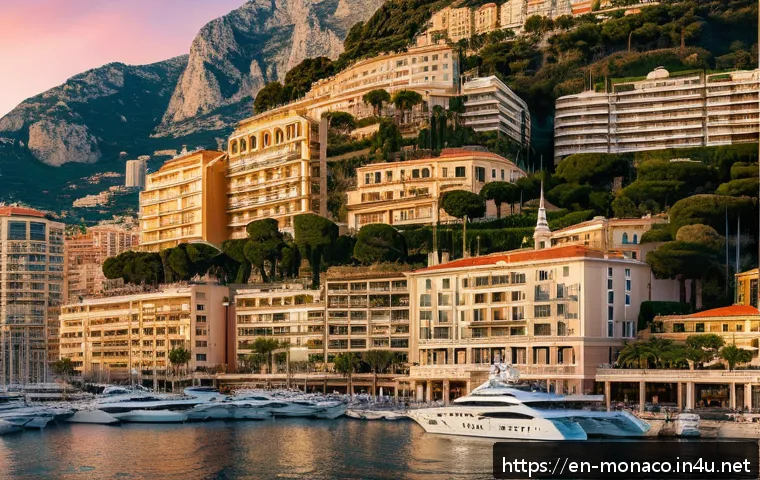
Learning French near Monaco can be practical, but limiting your search to Monaco alone may reduce your choices. Schools in nearby French Riviera cities, local private tutors, and online programs can offer different schedules, teaching styles, and total costs.

French is Monaco’s official language, so daily life can support regular practice outside class. The best option depends on whether you value flexibility, structured intensive study, social group practice, or accommodation-based immersion.
Compare tuition alongside transport, meals, materials, accommodation, and administrative charges before committing. For professionals and relocating families, a convenient timetable may be more valuable than the lowest advertised course fee.
At a Glance
- Monaco is a useful base for learning French, but nearby Riviera locations may provide a wider selection of language schools and course formats.
- Total cost matters more than tuition alone: include transport, accommodation, meals, materials, and possible administrative fees.
- Choose around your real routine: private tutoring, group courses, intensive schools, and online learning each suit different goals.
| Program Format | Best For | Main Cost Drivers | Key Check Before Booking |
|---|---|---|---|
| Private French tutor | Busy professionals, targeted daily-life or business French | Lesson frequency, tutor experience, travel arrangements, materials | Schedule flexibility, cancellation terms, lesson location |
| Group French class | Learners who want social practice and a lower cost per lesson | Tuition, enrolment charges, materials, commute | Level match, timetable, group structure, minimum attendance rules |
| Intensive language school | Learners seeking a structured, full-time study routine | Weekly tuition, accommodation, meals, transport, assessment fees | Teaching hours, course dates, certificate details, full fee breakdown |
| Online lessons plus local practice | People who need flexibility while living or staying near Monaco | Online tuition, optional conversation sessions, learning resources | How local speaking practice will fit into the study plan |
Is Monaco a Practical Place to Learn French?
The short answer for visitors, residents, and professionals
Yes, Monaco can be a practical place to learn French because French is the official language of Monaco. This gives learners regular exposure in everyday settings. However, practical does not always mean that every course should be taken inside Monaco. A visitor may prefer flexible lessons, while a resident may want weekly classes that fit around work or family life. Professionals often need evening availability, predictable cancellation terms, and instruction focused on conversations they will actually use.
Why nearby Riviera cities may expand course choices
Monaco is a small city-state on the French Riviera and is close to Nice and other communities in the Alpes-Maritimes region. For that reason, searching only for a “French course in Monaco” may be unnecessarily narrow. Nearby French cities may offer more choices in group classes, intensive language programs, private tutoring, and immersion-style accommodation. The trade-off is the commute. Before enrolling, consider the actual route, timetable, local transport needs, and whether the course schedule leaves enough time for work, family, or sightseeing.
What “French immersion” realistically looks like in Monaco
French immersion does not have to mean living in a classroom all day. In and around Monaco, it can mean combining formal lessons with daily interactions, local errands, reading, listening, and conversation practice. A homestay-style option may create more contact with French outside class, but it also changes the accommodation budget and daily routine. For some learners, a local tutor plus regular real-world practice is enough. For others, an intensive school schedule and accommodation package may provide more structure.
Compare French Course Formats and Total Value
Private tutors: flexibility and personalized business or daily-life French
A private French tutor can be a strong fit for a Monaco-based professional, a relocating family, or a learner with a specific goal. Lessons can focus on practical topics such as introductions, daily services, workplace communication, or school-related conversations. This format may also allow more control over lesson timing and pace. On the other hand, private tuition should be judged by more than the lesson rate: ask about preparation, materials, travel arrangements, rescheduling, and the cancellation policy.
Group classes: social practice and lower cost per lesson
Group French classes can provide regular speaking practice with other learners and may have a lower cost per lesson than one-to-one instruction. They work best when the placement level is appropriate and the timetable is realistic. A class that is inexpensive but difficult to attend consistently may offer poor value. Check whether the provider uses a placement test, how the course handles mixed abilities, and whether course materials or assessment charges are separate from tuition.
Intensive language schools: structured progress and fixed schedules
An intensive French program is designed for learners who can make study a central part of their week. It may suit a visitor on a dedicated learning trip, a new arrival with time to study, or someone preparing for a formal French exam. The structure can make progress easier to organize, but fixed schedules can be demanding. Compare teaching hours rather than relying only on a weekly headline price, and review the full package carefully if accommodation or meals are included.
Online lessons plus local conversation practice: a flexible hybrid option
Online French lessons can reduce travel demands while allowing a learner to remain connected to life in Monaco. This hybrid approach may work well for adults with changing schedules or families managing several commitments. The important question is whether online study is paired with enough active speaking. Consider a plan that combines remote instruction with local conversation opportunities and everyday French use. It can be a practical alternative when commuting to a nearby school is inconvenient.
Budgeting for French Study on the Côte d’Azur
Tuition, enrolment charges, learning materials, and assessment fees
Tuition is only the starting point. A useful French course budget separates course tuition from enrolment charges, learning materials, level assessments, and other administrative fees that may apply. Ask for a written breakdown before paying. This makes it easier to compare a private tutor, a group course, and an intensive school on the same basis. A lower tuition figure may not represent the lower total cost if important items are billed separately.
Accommodation, meals, and transport costs in euros
Monaco uses the euro (€), and learners should plan all local costs in euros. Accommodation, meals, and transport can significantly affect the total budget, especially for a course based outside Monaco or for an immersion-style stay. A program with accommodation may be convenient, but convenience should be compared against the full cost and the learner’s preferred location. If you are commuting to a school near Monaco, include regular transport in your course comparison rather than treating it as a minor extra.
How to compare weekly price, teaching hours, and total course value
Start with the full amount payable for the period you expect to study. Then compare the planned teaching hours, schedule, class format, included materials, and likely travel or accommodation costs. This approach is more useful than comparing course titles alone. A flexible weekly lesson plan may be better value for someone with work commitments, while a full-time course may be more efficient for a learner with dedicated study time. The goal is not simply to find the cheapest option, but to find a program you can attend and use consistently.
Enrollment Steps and Mistakes to Avoid
Take a placement test before selecting a level
A placement test helps prevent a common mistake: joining a level that is too easy or too difficult. Ask whether the test is completed before booking, before the first class, or after arrival. If a program uses fixed start dates, confirm what happens if the assigned level is not suitable. A good level match affects confidence, participation, and the value received from tuition.
Check the timetable, minimum attendance rules, and cancellation policy
Before paying, review the timetable line by line. Confirm class days, start times, course duration, and any attendance expectations. This is especially important for working adults who need evening lessons or learners travelling from Monaco to a nearby French city. Also read the cancellation and rescheduling policy. Know what happens if your travel dates change, if you miss a class, or if the provider changes the schedule.
Confirm what the completion certificate does—and does not—prove
Some programs may provide a completion certificate, but a certificate is not automatically accepted by every employer, university, or immigration authority. If you need documentation for a specific purpose, verify the exact requirement first. Ask what the certificate states, what attendance or assessment conditions apply, and whether it meets the standard requested by the organization you are dealing with. Do not assume that any French course certificate has the same use.
Avoid booking a package before reviewing the full cost breakdown
Packages can simplify planning, particularly when tuition and accommodation are offered together. Still, they should be reviewed carefully. Request clarity on what is included and what remains your responsibility, such as meals, transport, materials, assessments, or administrative charges. This step is particularly important for learners comparing Monaco-area living costs with a school-based accommodation arrangement elsewhere on the Riviera.
Best Approach by Learner Situation
Short-stay travelers seeking conversational confidence
Short-stay learners often benefit from a focused plan with clear everyday goals. Private lessons can be useful when dates are limited and the learner wants practice for daily interactions. A short intensive format may also work if the timetable fits the trip. Keep the plan realistic: travel, sightseeing, and course attendance all compete for time. Choose a schedule that leaves room to use French outside the classroom.
Monaco-based professionals needing flexible evening lessons
For professionals, schedule reliability may matter more than course intensity. A private tutor or online-plus-local-practice arrangement can offer flexibility, while a nearby group class may be attractive if the timetable is consistent. Look for clear policies on missed lessons and changes. Business-focused French may be relevant, but daily-life French is also valuable for work-related relocation and local routines.
Relocating households building everyday French skills
Relocating households may need practical language skills across several situations, from local services to school-related communication. A course that allows family members to study at different levels can be easier to manage than forcing everyone into one format. Consider whether each learner needs private support, group interaction, or a flexible online option. The best family plan is often the one that can continue after the first busy period of relocation.
Serious learners preparing for a formal French exam
Learners preparing for a formal French exam should begin with the exam requirement, not the course marketing description. Confirm whether the program is designed for exam preparation, whether the teaching level matches your current ability, and what evidence of completion is provided. Intensive instruction may be appropriate when there is sufficient study time, but it should not be selected solely because it sounds more comprehensive. Check the course outcome and assessment details directly with the provider.
Choosing the Right Program: Final Comparison Checklist
Match intensity, teaching style, and commute to your actual routine
Choose a format you can attend consistently. Private tutoring may justify a higher cost when flexibility and personal targets are essential. Group classes can suit learners who want routine and peer interaction. Intensive French schools may make sense when study is the main focus of the stay. If travel from Monaco is a concern, calculate whether a hybrid online plan provides better total value.
Compare providers on transparent fees, support, and course outcomes
Compare course schedules, total fees, and cancellation policies before booking. Also verify the placement process, materials, teaching credentials, attendance rules, accommodation terms, and the purpose of any certificate. If visa support, accreditation, or official recognition matters to you, confirm it directly rather than relying on assumptions. Official course pages and provider terms are the right place to check current availability and detailed conditions.
When paying more for private or intensive instruction makes sense
Paying more can make sense when it solves a real constraint: a demanding work schedule, a short travel window, a specific professional need, or a serious study goal. It is less useful to pay for intensity that you cannot sustain. Compare the complete euro cost, not just tuition, and select the program that gives you the most usable learning time.
Selection Criteria and Comparison Summary
Before enrolling, check these points: your level placement, the course schedule, total euro costs, travel or accommodation needs, cancellation terms, and the exact meaning of any certificate. Compare private tutoring, group courses, intensive schools, and online options according to your availability rather than course labels alone. If you are choosing between Monaco and nearby Riviera locations, include commuting in both the budget and the weekly routine. For current terms, review the provider’s official course details and full fee conditions before booking.
Final Thoughts
Learning French near Monaco can be arranged in several practical ways. Monaco offers daily exposure to the language, while nearby French Riviera cities may broaden the choice of schools and class formats. The strongest decision comes from comparing total costs, teaching hours, schedule fit, and course conditions. A program does not need to be the most intensive or the most expensive to be the right one for your situation.
Useful Information to Keep in Mind
French is Monaco’s official language. Monaco uses the euro (€), so course and living budgets should be compared in the same currency. Nearby locations, including Nice and other communities in the Alpes-Maritimes region, may offer additional French-learning options. Accommodation, meals, local transport, and learning materials can affect the final cost as much as tuition.
Important Notes
Course prices, lesson hours, class sizes, availability, registration fees, and seasonal costs can vary by provider and date. Accreditation, visa support, certificate acceptance, and eligibility for a learner’s nationality or immigration status must be confirmed directly with the relevant school or authority. Always review current terms before making a payment.
Frequently Asked Questions
Q1. Are French courses in Monaco more expensive than courses in Nice?
A1. It is not safe to assume one location is always more expensive without checking current provider details. Monaco-based learners may find a broader choice of schools in nearby Nice and other Riviera locations, but the full comparison should include tuition, transport, accommodation, meals, materials, and administrative fees.
Q2. Is a private French tutor or a group class better for a working professional in Monaco?
A2. A private tutor may suit a professional who needs flexible timing and personalized business or daily-life French. A group class may be better for someone who values regular social practice and potentially lower cost per lesson. The best choice depends on timetable fit, attendance consistency, learning goals, and cancellation terms.
Q3. What should I check before paying for a French language course near Monaco?
A3. Check your placement level, teaching schedule, total fees, included materials, transport or accommodation needs, cancellation policy, attendance expectations, and certificate details. If you need a certificate for an employer, university, visa, or immigration purpose, confirm directly whether the course documentation meets that specific requirement.