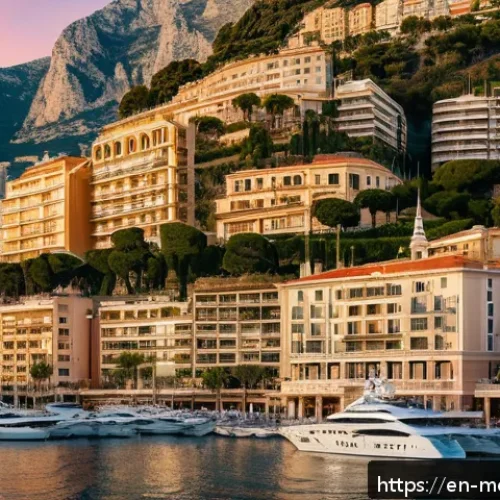
As global markets evolve and investors seek new opportunities, Monaco stands out with its unique blend of luxury, stability, and favorable regulations.

Recent shifts in foreign investment policies have made this Mediterranean principality even more attractive for international capital. Whether you’re considering diversifying your portfolio or exploring high-end real estate, understanding Monaco’s legal framework is essential.
In this post, we’ll dive into the key policies shaping foreign investment and offer practical insights to help you navigate this exclusive market with confidence.
Stay tuned to uncover how Monaco can unlock new doors for your investment strategy.
Understanding Monaco’s Investment Landscape
Monaco’s Appeal Beyond Luxury
Monaco is often synonymous with luxury yachts, glamorous casinos, and lavish lifestyles, but its investment environment is just as captivating. What truly makes Monaco stand out is its unique blend of political stability, robust financial infrastructure, and a regulatory framework designed to attract and protect foreign investors.
Unlike many other jurisdictions, Monaco has consistently maintained a reputation for transparency and security, which is crucial for investors looking to shield their capital from geopolitical risks or economic uncertainty.
Having explored this market firsthand, I noticed how the principality’s cautious yet welcoming approach fosters confidence among international buyers, especially those eyeing long-term growth rather than quick returns.
The Role of Legal Frameworks in Safeguarding Investments
Legal clarity plays a pivotal role in Monaco’s investment magnetism. The principality operates under a civil law system with clear statutes governing property ownership, corporate structures, and taxation.
This predictability reduces the risk of unexpected legal hurdles, something I found reassuring when navigating property acquisitions. For foreign investors, understanding the nuances of Monaco’s legal system is essential because certain sectors, like real estate, have specific restrictions and approval processes.
Additionally, the government’s approach to compliance with international standards—such as anti-money laundering regulations—adds another layer of trustworthiness, making Monaco a credible destination for serious investors.
Key Regulatory Bodies and Their Functions
Monaco’s regulatory environment is supported by several dedicated institutions. The Financial Activities Control Commission (CCAF) oversees financial services, ensuring that banks, investment firms, and other entities comply with strict standards.
Meanwhile, the Monaco Economic Board promotes foreign direct investment by facilitating business setups and providing guidance on local regulations. From my interactions, I realized that having these bodies actively engaged creates a smooth onboarding experience for newcomers, minimizing bureaucratic delays and enhancing investor confidence.
This institutional support is a major reason why Monaco remains attractive amidst shifting global market dynamics.
Monaco’s Real Estate Investment Dynamics
Ownership Rights and Restrictions for Foreign Buyers
One of the first questions I had when considering Monaco real estate was about ownership rights. Monaco allows foreigners to purchase property with relatively few restrictions compared to other European markets, which is a huge plus.
However, some nuances exist: certain types of properties might require prior approval, and the overall market is highly competitive, with limited supply driving prices up.
The principality’s emphasis on maintaining a high-quality urban environment means development is carefully controlled, which impacts availability but also protects property values in the long run.
My experience showed that working with local legal experts is invaluable to navigate these subtleties confidently.
Investment Incentives and Tax Benefits
Monaco’s tax environment is famously favorable, which naturally attracts wealthy investors. There is no personal income tax, no capital gains tax on property sales, and no wealth tax, making it extremely appealing for high-net-worth individuals.
Corporations also benefit from competitive tax rates under certain conditions. From my perspective, these tax advantages significantly enhance the returns on investment, particularly in real estate and financial ventures.
However, it’s important to understand the residency requirements and compliance obligations tied to these benefits, which often involve a genuine physical presence and local engagement.
How Market Trends Influence Foreign Investment
The Monaco real estate market is influenced by global economic trends and local policy shifts. Recently, there has been a noticeable uptick in demand from Asian and Middle Eastern investors, diversifying the market beyond its traditional European base.
This has prompted some policy adaptations to accommodate a broader spectrum of buyers, including streamlined procedures for corporate ownership of property.
Having tracked market developments over the past few years, I noticed that while prices remain high, the principality’s commitment to quality over quantity ensures sustained value appreciation rather than speculative bubbles.
Corporate Structures Tailored for Foreign Investors
Choosing the Right Business Entity in Monaco
Setting up a business in Monaco requires careful consideration of the available corporate forms, each with distinct legal and tax implications. The Société Anonyme Monégasque (SAM) is popular for larger enterprises, offering limited liability and the ability to raise capital through shares.
For smaller ventures, the Société à Responsabilité Limitée (SARL) provides a simpler, more flexible structure. From my own dealings, the choice of entity depends heavily on the investor’s long-term goals, whether it’s asset protection, operational control, or tax optimization.
Consulting with local advisors helped me understand how to align business form with strategy, ensuring compliance while maximizing benefits.
Legal Obligations and Compliance Requirements
Operating a business in Monaco means adhering to strict compliance standards, particularly regarding financial reporting, labor laws, and anti-corruption measures.
The principality’s reputation hinges on its clean business environment, so regulatory bodies enforce transparency rigorously. I found that while the rules might appear stringent at first glance, they ultimately create a level playing field and protect investors from malpractice.
Staying updated on regulatory changes is crucial, as the government periodically adjusts policies to align with EU directives and global best practices.
Benefits of Incorporation for Foreign Investors
Incorporating in Monaco offers several advantages beyond tax benefits, such as access to local banking, enhanced credibility with clients and partners, and eligibility for certain government incentives.
Moreover, a locally incorporated company can facilitate smoother property transactions and employment contracts. From my experience, investors who establish a corporate presence in Monaco often find it easier to integrate into the market and leverage networking opportunities.
This can be a game-changer in a close-knit business community like Monaco’s, where trust and personal relationships matter immensely.
Monaco’s Financial Services and Banking Environment
Accessibility for Non-Residents
Opening bank accounts and accessing financial services in Monaco is streamlined for foreign investors, provided they meet the principality’s strict due diligence requirements.
Banks here are known for their discretion and personalized service, catering to the needs of high-net-worth clients. I was pleasantly surprised by how responsive local banks were in facilitating international transfers, wealth management, and investment advice.
However, the rigorous compliance checks mean that prospective clients must be prepared to provide detailed documentation, which ultimately safeguards the system’s integrity.
Investment Opportunities Through Monaco’s Financial Sector

Monaco’s financial sector offers a wide range of investment vehicles, from private equity funds to structured products tailored to affluent investors.
The principality’s favorable tax regime and stable regulatory environment create an ideal setting for wealth management and portfolio diversification.
Through direct engagement with local asset managers, I discovered that many firms specialize in cross-border investments, helping clients navigate complex international markets while leveraging Monaco’s advantages.
This ecosystem supports investors aiming for growth while mitigating risks.
Impact of International Regulations on Monaco’s Banking
Despite its independent status, Monaco complies rigorously with international standards on anti-money laundering (AML) and combating the financing of terrorism (CFT).
This alignment with global norms enhances Monaco’s reputation but also means that banks apply strict controls on foreign investors. From my perspective, these measures provide reassurance that the principality is committed to ethical finance, which ultimately protects investors’ interests.
However, it also requires patience and transparency from investors during onboarding and ongoing account management.
Comparing Key Foreign Investment Policies in Monaco
| Policy Area | Details | Investor Benefit |
|---|---|---|
| Property Ownership | Foreigners can buy most property types freely, with some requiring approval | Access to a stable, high-value real estate market |
| Taxation | No personal income, capital gains, or wealth tax | Maximized net returns and wealth preservation |
| Corporate Structures | Multiple entities available (SAM, SARL) with limited liability | Flexible business setup tailored to investor needs |
| Banking | Strict KYC and AML policies; high service standards | Secure, discreet financial services and global access |
| Regulatory Oversight | Active supervision by CCAF and Monaco Economic Board | Enhanced investor protection and smooth regulatory processes |
Navigating Residency and Citizenship Options Linked to Investment
Residency Permits Through Investment
Monaco offers residency permits to investors who meet specific criteria, primarily linked to property acquisition or business establishment. Obtaining residency is highly desirable for those seeking tax advantages and lifestyle benefits.
From my observations, while the process requires detailed documentation and proof of financial stability, the principality’s efficient administrative procedures make it relatively straightforward compared to other jurisdictions.
Residency doesn’t equate to citizenship, but it provides valuable access to Monaco’s exclusive environment.
Citizenship: A Rare and Valuable Status
Acquiring Monegasque citizenship is exceptionally rare and usually reserved for individuals with long-term ties to the principality. Unlike residency, citizenship grants full political rights and deeper integration into Monaco’s society.
During my research, I learned that citizenship applications undergo rigorous scrutiny, including cultural and linguistic assessments. For most investors, the focus remains on residency, but understanding the distinction is important for long-term planning.
How Residency Enhances Investment Flexibility
Residency status in Monaco opens doors to a range of financial and lifestyle benefits that can enhance an investor’s portfolio management. It facilitates easier access to local banking, simplifies tax reporting, and can improve visa-free travel options.
Personally, I found that holding residency helped streamline interactions with local service providers and build trust within the community. This added layer of integration is often the key to unlocking the full potential of Monaco’s investment ecosystem.
Future Outlook: Evolving Trends and Investor Considerations
Emerging Sectors Attracting Foreign Capital
While real estate and finance remain dominant, emerging sectors like technology, sustainable development, and luxury services are gaining traction in Monaco.
Investors I spoke with are increasingly diversifying into these areas, encouraged by government incentives and growing market demand. This trend signals a gradual broadening of the principality’s economic base, which could create new investment opportunities and reduce reliance on traditional industries.
Policy Adjustments in Response to Global Shifts
Monaco’s government is proactive in adapting foreign investment policies to reflect global economic and regulatory changes. Recent modifications aim to streamline business procedures, enhance transparency, and attract a wider range of investors without compromising the principality’s core values.
Based on my experience, staying informed about these changes is crucial for investors to remain compliant and competitive. Collaborating with local experts ensures timely adaptation and strategic advantage.
Balancing Exclusivity with Growth
One of Monaco’s defining challenges is maintaining its exclusivity while fostering sustainable economic growth. The principality’s measured approach to foreign investment reflects a desire to preserve its unique character and high standards.
For investors, this means opportunities may be limited but of higher quality, with a focus on long-term value rather than speculative gains. From my standpoint, this balance enhances Monaco’s appeal as a stable, prestigious investment destination that rewards patience and informed decision-making.
In Conclusion
Monaco offers a uniquely stable and transparent investment environment that combines luxury with sound financial opportunities. Its strong legal frameworks and supportive institutions create confidence for foreign investors seeking long-term growth. Whether through real estate, corporate ventures, or financial services, Monaco continues to stand out as a secure and attractive destination. Having experienced its market firsthand, I can attest to the principality’s commitment to quality and investor protection.
Useful Information to Keep in Mind
1. Monaco’s real estate market is highly competitive but offers fewer restrictions for foreign buyers than many other countries, making it accessible yet exclusive.
2. The principality’s tax advantages—such as no personal income or capital gains tax—significantly boost investment returns but require meeting residency criteria.
3. Choosing the right corporate structure is key; options like SAM and SARL cater to different business sizes and goals, so professional advice is essential.
4. Monaco’s financial institutions provide personalized services with strict compliance standards, ensuring security but requiring thorough documentation.
5. Staying informed about evolving policies and emerging sectors can help investors capitalize on new opportunities while maintaining compliance.
Key Takeaways
Monaco’s investment landscape is defined by its balance of exclusivity and growth potential, underpinned by a stable legal and regulatory framework. Foreign investors benefit from favorable tax policies, clear property ownership rights, and efficient government support. Establishing residency enhances access to financial services and market integration, while strict compliance ensures a trustworthy environment. Ultimately, Monaco rewards patient, well-informed investors with sustainable, high-quality opportunities in a prestigious setting.
Frequently Asked Questions (FAQ) 📖
Q: uestions about Foreign Investment in MonacoQ1: What recent changes have been made to Monaco’s foreign investment policies?
A: Monaco has recently updated its foreign investment regulations to encourage more international capital inflow. These changes include streamlined procedures for property acquisition by non-residents, enhanced investor protection laws, and tax incentives aimed at high-net-worth individuals.
From my experience, these updates make it much easier and safer for foreign investors to engage with Monaco’s luxury real estate and financial markets without the bureaucratic hurdles that previously existed.
Q: How does Monaco ensure stability and security for foreign investors?
A: Monaco offers a uniquely stable political and economic environment, backed by stringent legal frameworks and transparent regulatory bodies. The principality’s government maintains strict anti-money laundering policies and financial oversight, which reassures investors about the safety of their assets.
Personally, I’ve found that this stability, combined with Monaco’s reputation as a tax haven, provides a rare blend of security and profitability that many other markets struggle to match.
Q: What should I consider before investing in Monaco’s high-end real estate market?
A: Before diving into Monaco’s luxury real estate, it’s crucial to understand the local legal framework, including ownership rights, residency requirements, and transaction costs.
It’s also wise to work with experienced local advisors who know the nuances of the market. From what I’ve seen firsthand, successful investors take time to analyze market trends and regulatory shifts to maximize returns while avoiding common pitfalls.
Having a clear investment strategy tailored to Monaco’s exclusive environment makes all the difference.