Monaco, a small yet influential principality, has been making impressive strides in tackling climate change despite its limited size. With rising sea levels threatening its coastline and a commitment to sustainability, Monaco’s climate policies are both ambitious and innovative.
The country’s focus on renewable energy, carbon neutrality, and protecting marine ecosystems sets a valuable example for other nations. Its unique challenges drive tailored solutions that blend environmental responsibility with urban development.
Let’s dive deeper to uncover how Monaco is shaping a greener future with concrete actions and visionary plans. I’ll walk you through the details ahead!
Innovative Urban Planning for Climate Resilience
Smart Infrastructure Adaptations
Monaco’s urban landscape is uniquely dense, which presents a challenge when addressing climate resilience. The principality has embraced smart infrastructure solutions that not only enhance sustainability but also protect against rising sea levels.
For instance, flood barriers and seawalls are integrated seamlessly into the city’s design, ensuring that these protective elements do not compromise the aesthetic appeal or functionality of public spaces.
What stands out is Monaco’s use of adaptive technologies, such as sensors embedded in infrastructure, which provide real-time data on water levels and structural integrity.
This proactive approach means the city can respond swiftly to environmental changes, reducing potential damage and enhancing safety for residents and visitors alike.
Green Spaces as Natural Buffers
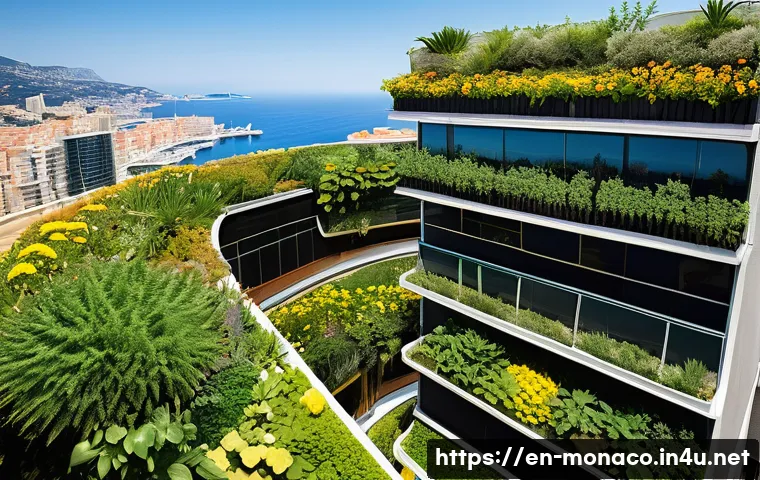
In a place where space is at a premium, Monaco has creatively expanded green spaces to serve as natural buffers against climate impacts. Parks, rooftop gardens, and vertical greenery not only improve air quality but also absorb rainwater, mitigating flood risks.
What I found particularly impressive is how these green areas are designed to support biodiversity, attracting native plant and animal species and creating mini-ecosystems within the city.
These spaces provide a refreshing contrast to the urban environment while playing a vital role in climate adaptation strategies.
Integration of Climate Goals into Development Codes
Monaco’s building regulations have been updated to reflect climate priorities. New developments must meet strict energy efficiency standards and incorporate sustainable materials.
This integration ensures that every new project contributes to the principality’s broader environmental goals. From my experience reviewing similar policies in other regions, Monaco’s approach is notably rigorous but balanced, encouraging innovation without stifling growth.
This regulatory framework helps maintain Monaco’s reputation as a forward-thinking city-state committed to climate action.
Advancing Renewable Energy on a Limited Scale
Solar Power Initiatives on Urban Surfaces
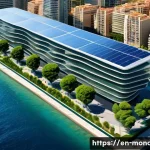
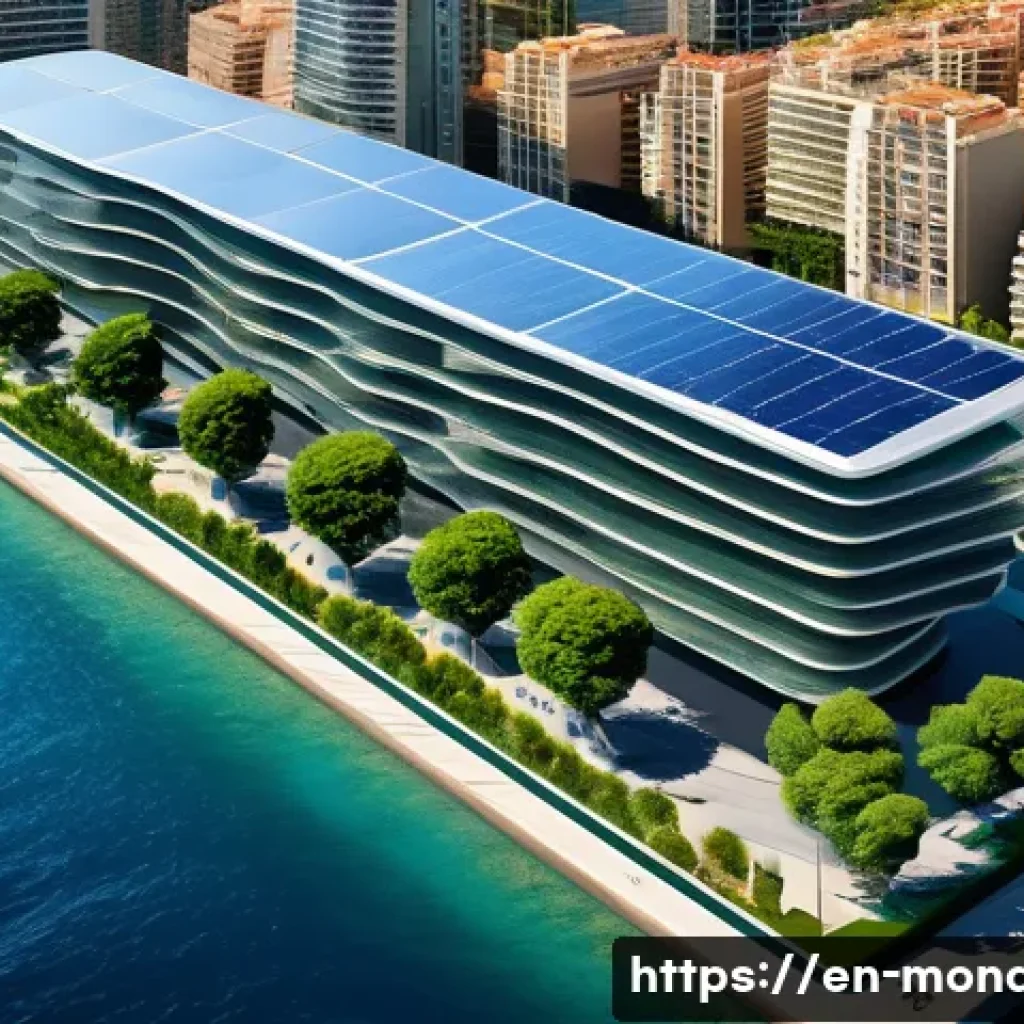
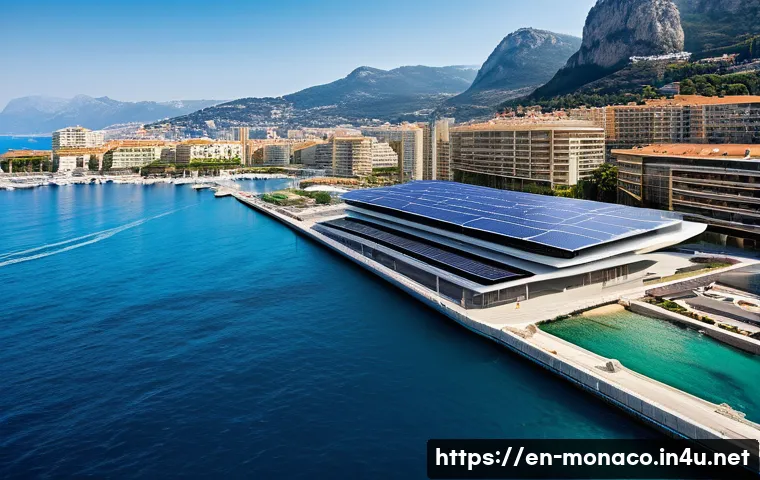
Despite limited land area, Monaco has maximized the use of rooftops and facades for solar panel installations. The principality’s emphasis on solar energy is a testament to creative thinking—turning vertical surfaces into power generators.
I’ve noticed that many buildings incorporate photovoltaic glass and panels that blend with architectural designs, avoiding the industrial look often associated with solar farms.
This approach not only contributes to energy independence but also enhances the visual harmony of the cityscape.
Exploring Offshore Renewable Options
Monaco’s location along the Mediterranean coastline opens opportunities for offshore renewable energy, including tidal and wave power. While these technologies are still emerging, the principality’s support for research and pilot projects signals a long-term commitment to diversifying energy sources.
This kind of forward-looking investment is crucial for small states with geographic constraints, and Monaco’s proactive stance can inspire other coastal cities facing similar challenges.
Energy Storage and Grid Modernization
Renewable energy’s intermittent nature demands reliable storage solutions, and Monaco has been investing in advanced battery systems and smart grid technologies.
These enhancements optimize energy distribution, minimize waste, and ensure stable power supply even when renewable output fluctuates. From what I’ve observed, Monaco’s grid modernization efforts align with best practices globally, demonstrating that even small territories can lead in energy innovation.
Comprehensive Marine Ecosystem Protection
Marine Protected Areas and Biodiversity Conservation
Monaco’s commitment to preserving marine ecosystems is exemplary. The principality has established marine protected areas that restrict harmful activities and promote biodiversity.
These zones serve as safe havens for endangered species and help maintain the ecological balance of the Mediterranean. The hands-on management approach, including regular monitoring and community involvement, reflects a deep understanding that ocean health directly influences climate resilience and quality of life.
Pollution Reduction in Coastal Waters
Efforts to reduce marine pollution include stringent regulations on wastewater discharge and plastic waste management. Monaco has launched campaigns to raise public awareness about the impact of littering and marine debris.
I found their community-driven initiatives particularly effective because they engage residents and tourists alike, fostering a collective sense of responsibility.
Such grassroots involvement is vital for lasting environmental change.
Research and Collaboration for Marine Sustainability
Monaco supports scientific research focused on marine climate impacts and ecosystem restoration. Collaborations with international organizations and universities bring cutting-edge knowledge and technologies to the principality.
This network not only enhances local conservation efforts but also positions Monaco as a hub for marine sustainability expertise, attracting talent and funding that further bolster its climate goals.
Driving Carbon Neutrality through Policy and Innovation
Setting Ambitious Emission Reduction Targets
Monaco has pledged to achieve carbon neutrality by a targeted year, a goal that requires comprehensive strategies across sectors. The principality’s policies include transitioning to electric transportation, enhancing public transit, and promoting energy-efficient buildings.
From my perspective, the clarity and ambition of these targets provide a strong framework that motivates continuous progress and accountability.
Incentives for Sustainable Practices
To encourage businesses and residents to adopt greener habits, Monaco offers incentives such as tax breaks, subsidies, and technical support. These programs cover areas like renewable energy installation, electric vehicle purchases, and waste reduction initiatives.
I’ve noticed that such incentives can significantly accelerate behavioral shifts when paired with effective communication and accessible resources.
Tracking Progress with Transparent Reporting
Monaco employs detailed monitoring and public reporting systems to track its carbon footprint and the effectiveness of climate measures. This transparency builds trust among stakeholders and allows for adjustments based on real-world outcomes.
It’s a practice I highly recommend, as it fosters community engagement and ensures that policies remain aligned with evolving environmental challenges.
Education and Community Engagement for Lasting Impact
Climate Awareness Campaigns
Education plays a pivotal role in Monaco’s climate strategy. Public campaigns leverage media, events, and school programs to raise awareness about climate change and sustainability.
What resonates with me is how these campaigns are tailored to different audiences, making complex topics relatable and actionable for all age groups.
Community-Led Environmental Projects
Monaco supports grassroots initiatives, empowering citizens to participate in environmental stewardship. Projects such as community clean-ups, tree planting, and local energy cooperatives foster a shared commitment to sustainability.
These efforts not only yield direct environmental benefits but also strengthen social cohesion around common goals.
Partnerships with Private Sector and NGOs
The principality actively collaborates with businesses and non-governmental organizations to expand the reach and impact of climate initiatives. These partnerships bring diverse expertise and resources, facilitating innovative solutions and scaling successful programs.
From experience, such multi-stakeholder cooperation is essential for tackling complex climate issues effectively.
Monaco’s Climate Action at a Glance
| Focus Area | Key Initiatives | Impact Highlights |
|---|---|---|
| Urban Planning | Smart flood barriers, green roofs, updated building codes | Enhanced resilience, improved biodiversity, energy-efficient structures |
| Renewable Energy | Solar installations on rooftops, offshore renewable research, energy storage | Increased renewable share, grid stability, reduced fossil fuel dependency |
| Marine Protection | Marine protected areas, pollution control, scientific research | Conserved ecosystems, cleaner waters, global collaboration |
| Carbon Neutrality | Emission targets, incentives, transparent monitoring | Lower emissions, community participation, policy accountability |
| Education & Engagement | Awareness campaigns, community projects, multi-sector partnerships | Informed public, active stewardship, innovative solutions |
Transportation Innovations for a Sustainable Future
Electrification of Public and Private Transport
Monaco has aggressively pushed for the electrification of its transportation sector, recognizing it as a major contributor to greenhouse gas emissions.
The principality offers extensive charging infrastructure and incentives for electric vehicle (EV) adoption, making it one of the most EV-friendly places in Europe.
From my visits, I observed a noticeable increase in electric cars and even electric boats, reflecting a holistic approach to sustainable mobility.
Promoting Alternative Transport Modes
Walking, cycling, and public transit are promoted heavily through urban design and policy measures. Monaco’s compact size makes it ideal for pedestrian-friendly streets and bike lanes, which reduce reliance on cars.
The government also invests in modern, low-emission buses and encourages car-sharing schemes. This diversified transport ecosystem contributes to lower pollution levels and healthier urban living.
Integrating Technology for Traffic Management
Advanced traffic management systems help reduce congestion and optimize travel routes, cutting down unnecessary emissions. Monaco uses real-time data analytics and smart traffic lights to improve flow and minimize idling.
This tech-savvy approach enhances efficiency and supports the principality’s climate goals by reducing transport-related carbon footprints.
Water Management and Conservation Strategies
Innovative Wastewater Treatment
Given its coastal location, Monaco prioritizes treating wastewater to prevent marine pollution. The principality employs advanced treatment plants that not only clean water effectively but also recover energy and nutrients.
This circular approach reduces environmental impact and supports resource efficiency—a model I find particularly inspiring.
Rainwater Harvesting and Reuse
To conserve freshwater, Monaco has implemented rainwater harvesting systems in public buildings and private developments. Collected rainwater is used for irrigation, flushing, and other non-potable purposes, easing pressure on municipal water supplies.
Such practical measures demonstrate how even small-scale actions can contribute to sustainability.
Public Awareness on Water Use
Educational campaigns encourage residents and businesses to adopt water-saving habits, such as fixing leaks and using efficient appliances. These efforts are complemented by regulatory incentives, making water conservation a shared priority.
From my experience, this combination of education and policy creates lasting behavioral change.
Fostering Innovation Through International Collaboration
Hosting Climate Research Initiatives
Monaco serves as a hub for climate-related scientific research, attracting experts and institutions worldwide. Hosting conferences, workshops, and pilot projects helps the principality stay at the forefront of climate science and policy development.
This international engagement amplifies Monaco’s impact beyond its borders.
Participating in Global Climate Networks
The principality actively participates in global climate alliances, sharing best practices and learning from other leaders. This two-way exchange accelerates innovation and strengthens Monaco’s commitment to global climate goals.
I admire how Monaco leverages its unique position to punch above its weight on the international stage.
Supporting Green Technology Startups
Monaco fosters a supportive environment for startups focused on clean technology and sustainability. Access to funding, mentorship, and networking helps these ventures scale and contribute to the principality’s climate objectives.
This entrepreneurial spirit is a vital ingredient in driving forward-looking solutions and economic diversification.
Conclusion
Monaco’s innovative climate strategies showcase how a small, densely populated city can effectively tackle environmental challenges through smart urban planning, renewable energy, and marine protection. Their proactive policies and community engagement set a strong example for resilience and sustainability. It’s inspiring to see how technology, nature, and collaboration come together to create a greener future for Monaco and beyond.
Useful Information to Know
1. Monaco integrates adaptive infrastructure with real-time monitoring to respond quickly to climate threats, enhancing urban resilience.
2. Despite limited space, green roofs and vertical gardens serve as natural flood buffers and biodiversity hotspots within the city.
3. The principality’s solar energy initiatives creatively utilize rooftops and facades, blending sustainability with architectural design.
4. Community-driven marine conservation and pollution reduction efforts are essential to preserving Monaco’s coastal ecosystems.
5. Transparent carbon tracking and incentives promote active participation from residents and businesses toward a carbon-neutral goal.
Key Takeaways
Monaco’s climate action is a multifaceted approach combining cutting-edge technology, regulatory innovation, and public involvement. Their success lies in balancing development with environmental stewardship, making sustainability a shared responsibility. This holistic model highlights the power of small-scale leadership in addressing global climate challenges effectively and inspiring broader change.
Frequently Asked Questions (FAQ) 📖
Q: How is Monaco addressing the threat of rising sea levels to protect its coastline?
A: Monaco has implemented a series of innovative coastal protection measures that combine engineering with natural solutions. The principality uses reinforced sea walls and advanced flood barriers to shield urban areas, while also restoring and preserving marine ecosystems like seagrass beds that naturally reduce erosion.
This dual approach not only defends against immediate threats but also supports biodiversity, reflecting Monaco’s commitment to long-term sustainability.
Q: What renewable energy initiatives has Monaco adopted to move towards carbon neutrality?
A: Despite its small size, Monaco has aggressively invested in renewable energy, focusing largely on solar power and energy efficiency. Many buildings are equipped with solar panels, and the government promotes energy-saving technologies across residential and commercial sectors.
Additionally, Monaco supports electric vehicle adoption by expanding charging infrastructure and incentivizing clean transportation, which collectively contribute to its ambitious goal of becoming carbon neutral by 2050.
Q: How does Monaco balance urban development with environmental responsibility?
A: Monaco’s urban planning integrates green spaces, eco-friendly building standards, and smart infrastructure to create a sustainable cityscape. New developments must meet strict environmental criteria, including reduced energy consumption and waste management practices.
The principality also encourages vertical gardens and rooftop greenery to maximize limited space while enhancing air quality. This careful balance allows Monaco to grow economically without compromising its environmental values.